

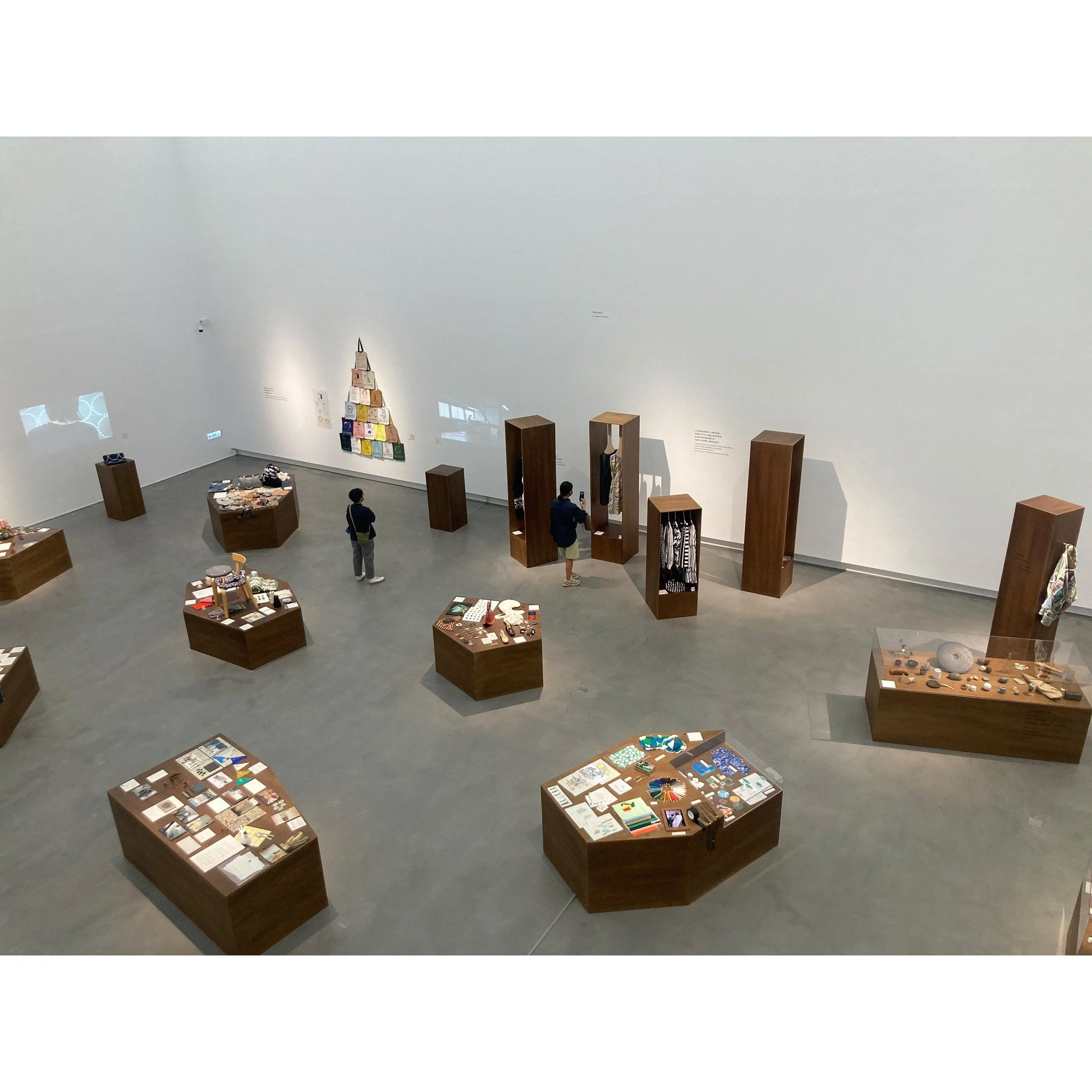
Foison Art Studio Website Design
Content Strategy • Information Architecture • Brand Storytelling • 2022
Transforming fragmented creative projects and cultural events into a scalable digital archive that supports visibility, credibility, and business growth.
Role
Website Designer
Content Strategist
Information Architect
Timeline
2022
Responsibilities
Content Strategy
Information Architecture
CMS Planning
Brand Storytelling
Tools
Google Form, Balsamiq, Squarespace
Contributions
34+ Creative Projects
6400+ Visitors
15000+ Page Views
Project Overview
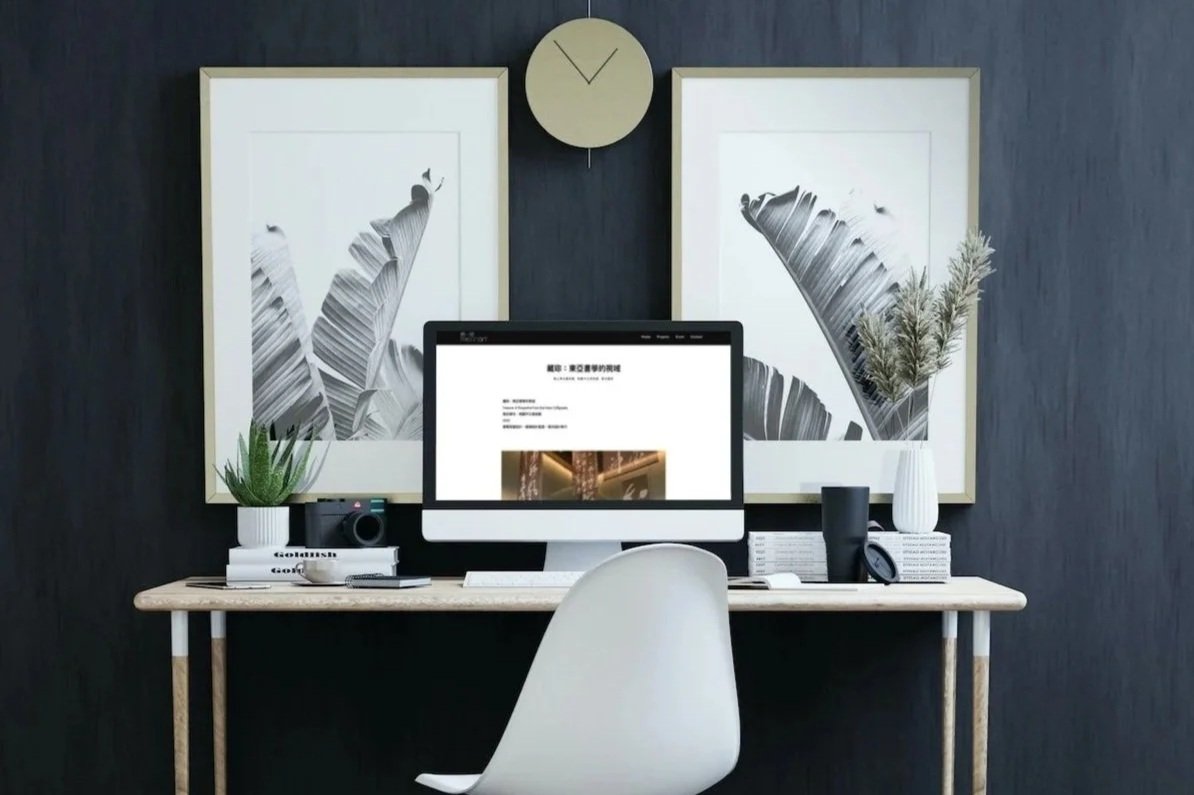
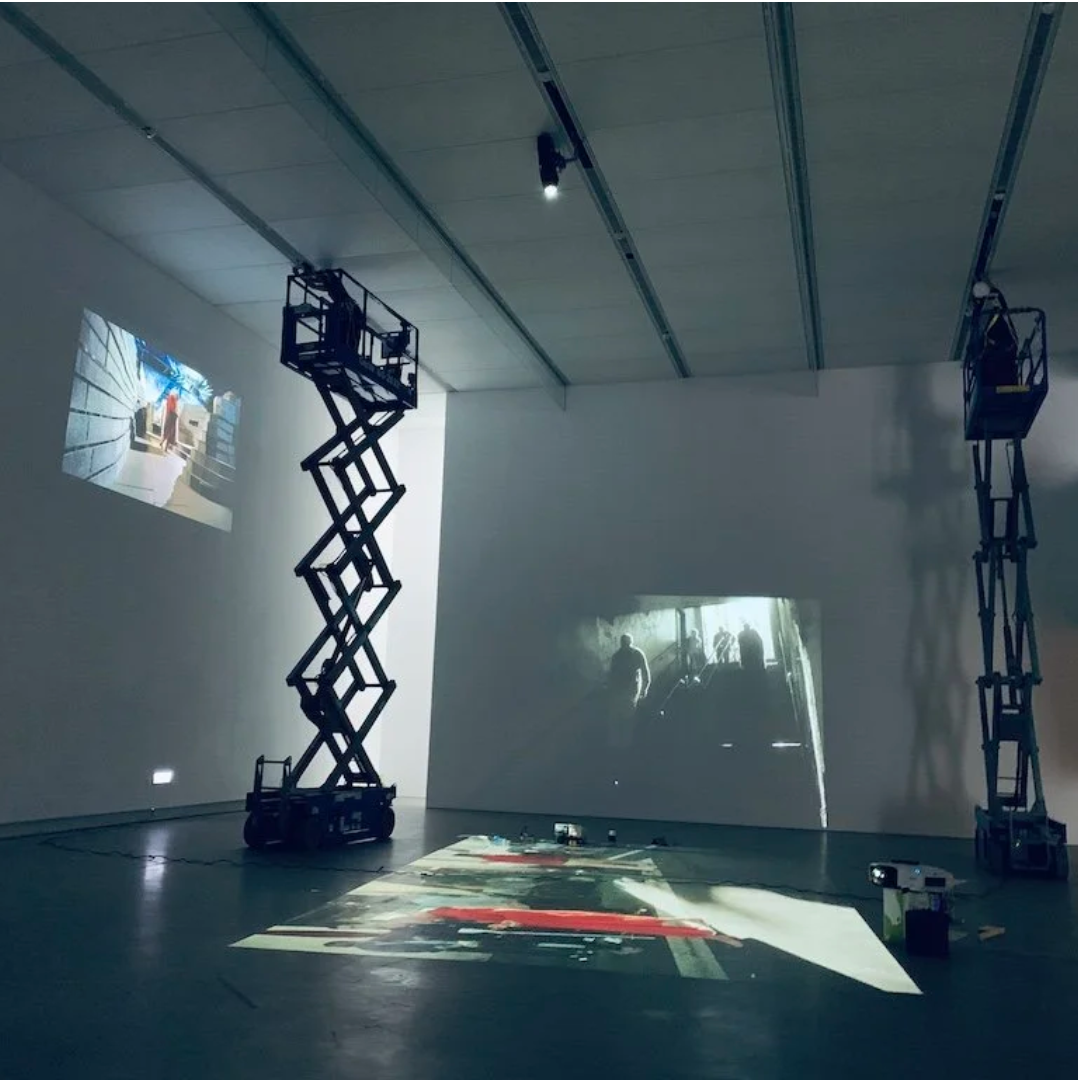
Foison Art Studio is an independent cultural and creative studio specializing in exhibitions, performances, workshops, and interdisciplinary art projects.
As a growing startup with a small founding team, Foison needed a digital platform that could showcase its creative work, strengthen brand visibility, and support long-term business development.
My role was to organize content, develop the website structure, and design a digital experience that transformed creative projects, event documentation, and media coverage into a cohesive online platform.
Beyond serving as a portfolio website, the platform functioned as a growing archive of cultural activities, helping communicate the studio’s creative philosophy while supporting client acquisition, partnership opportunities, and public-sector proposal submissions.

Business Challenge
As Foison expanded its portfolio, valuable project documentation remained fragmented across social media posts, event records, and individual project files.
This made it difficult for potential clients and public-sector stakeholders to evaluate the studio's capabilities, past experience, and cultural impact.
The challenge was to create a scalable digital platform that could increase visibility, strengthen credibility, and transform temporary cultural events into lasting digital assets.
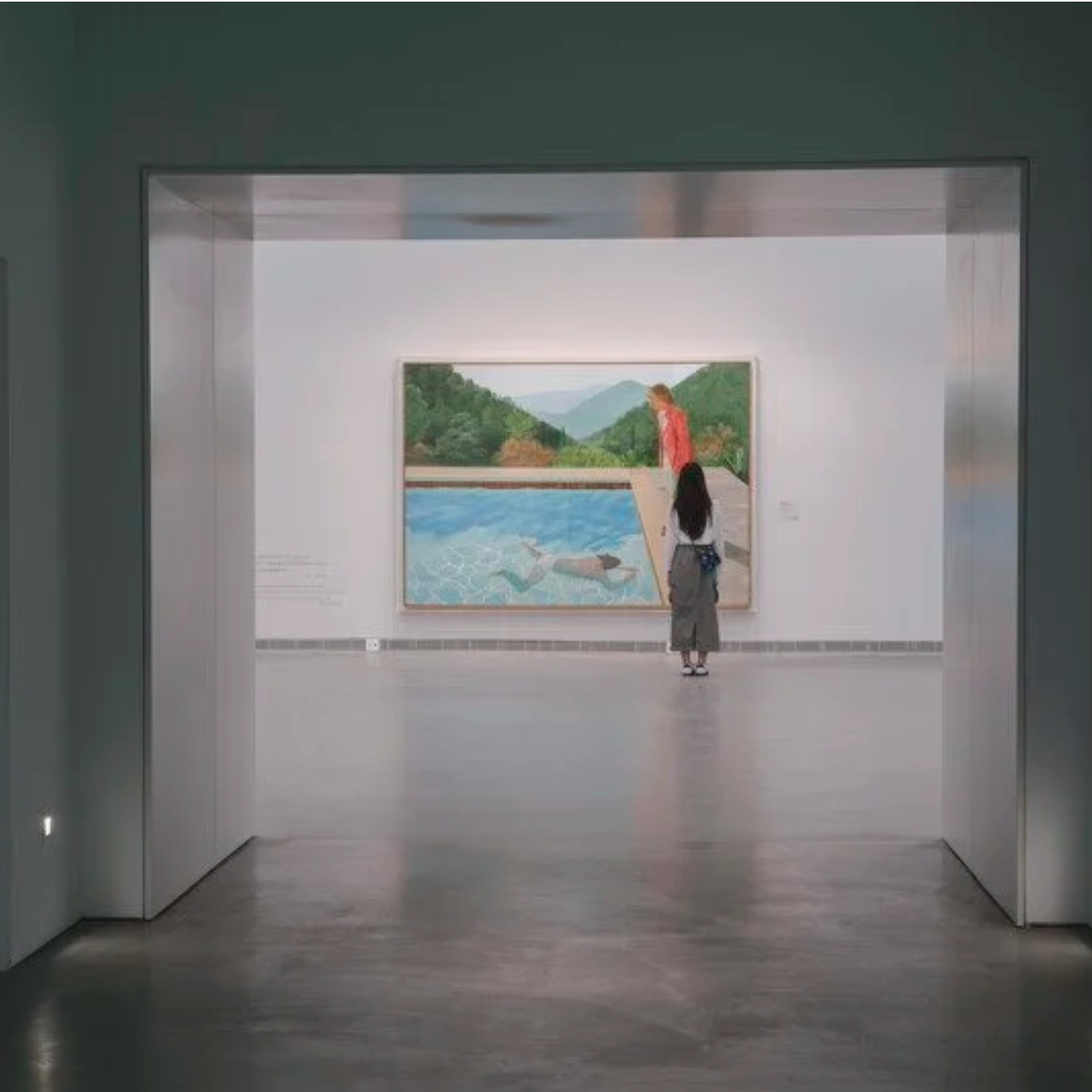
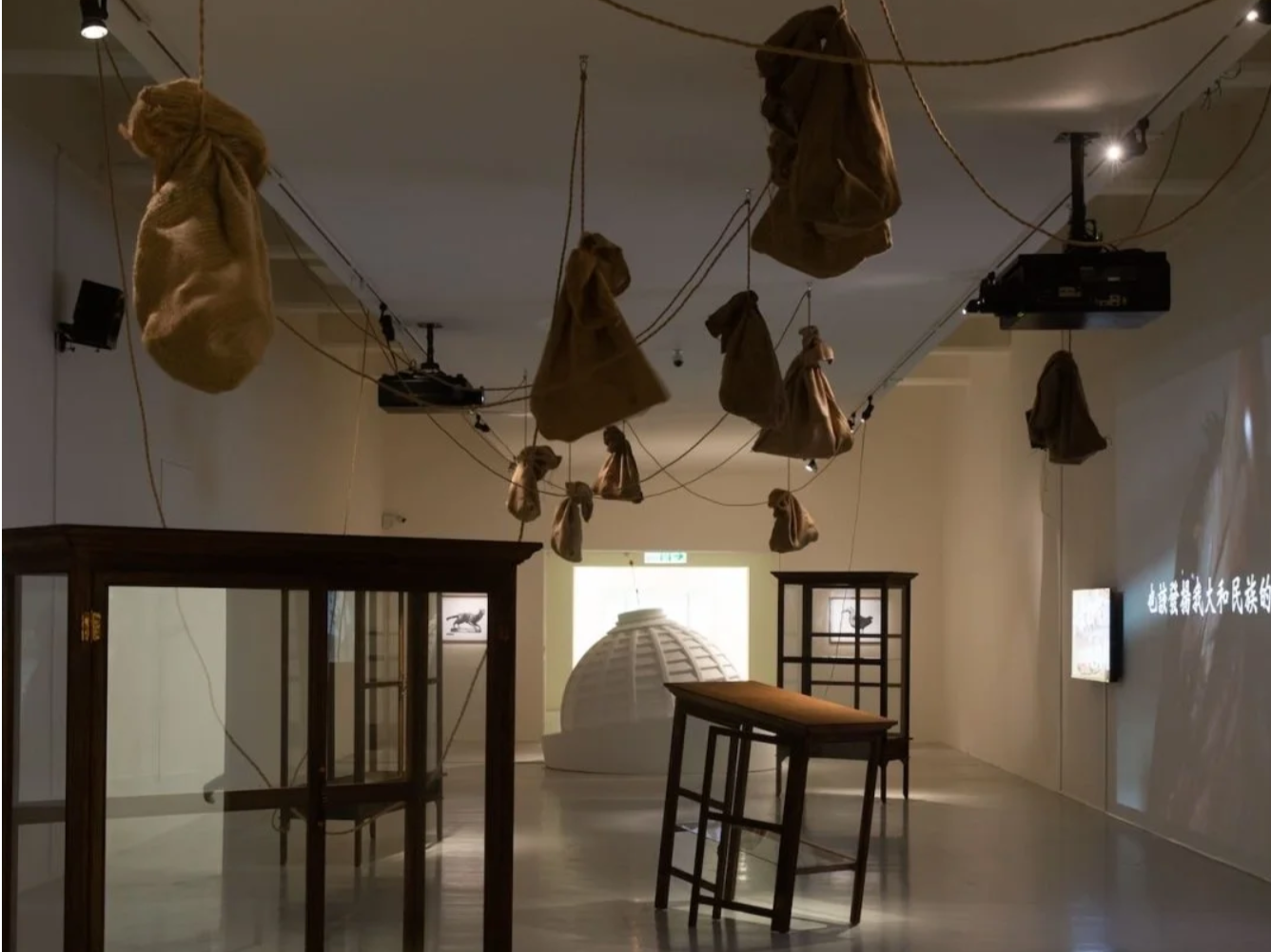
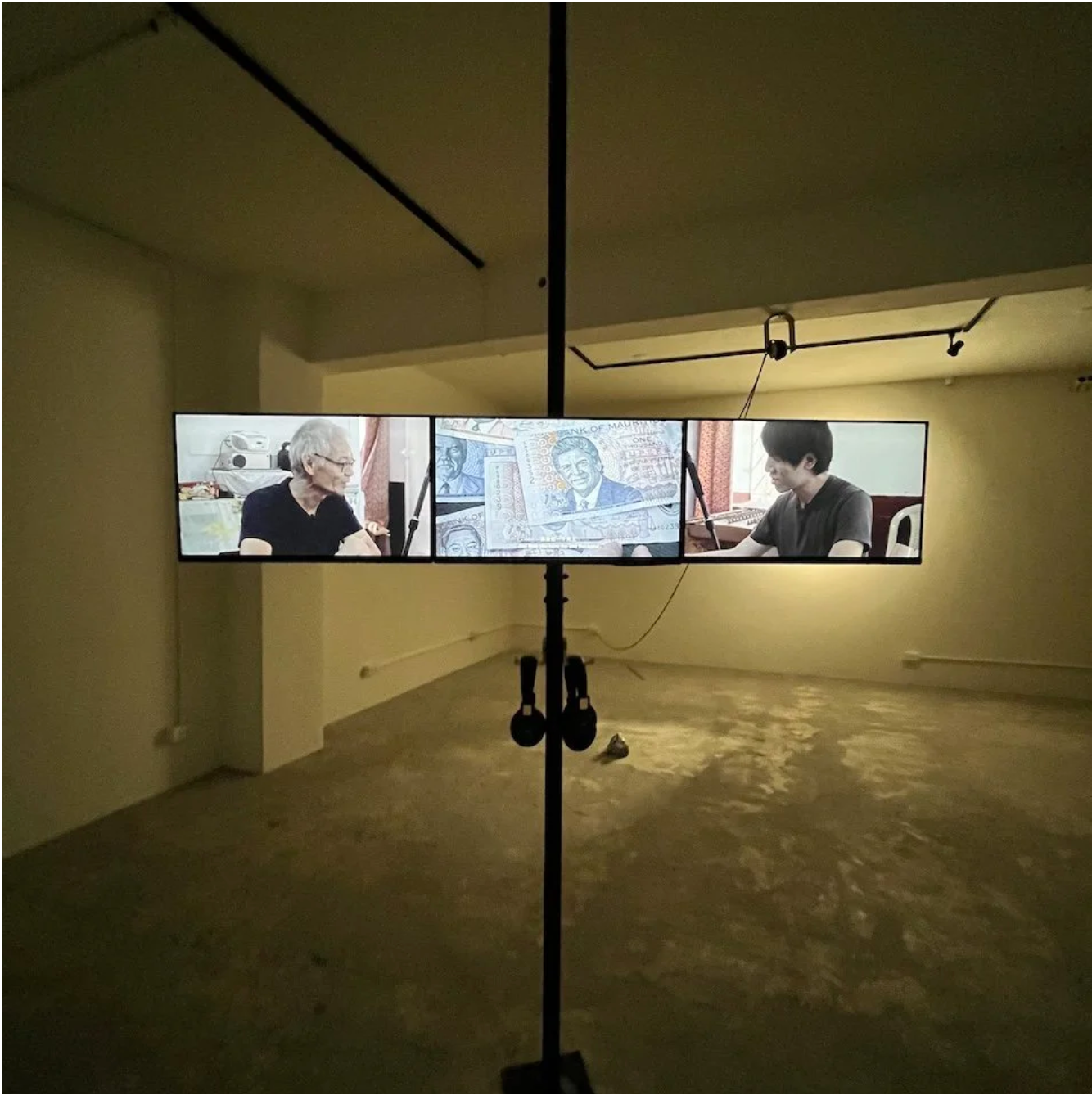
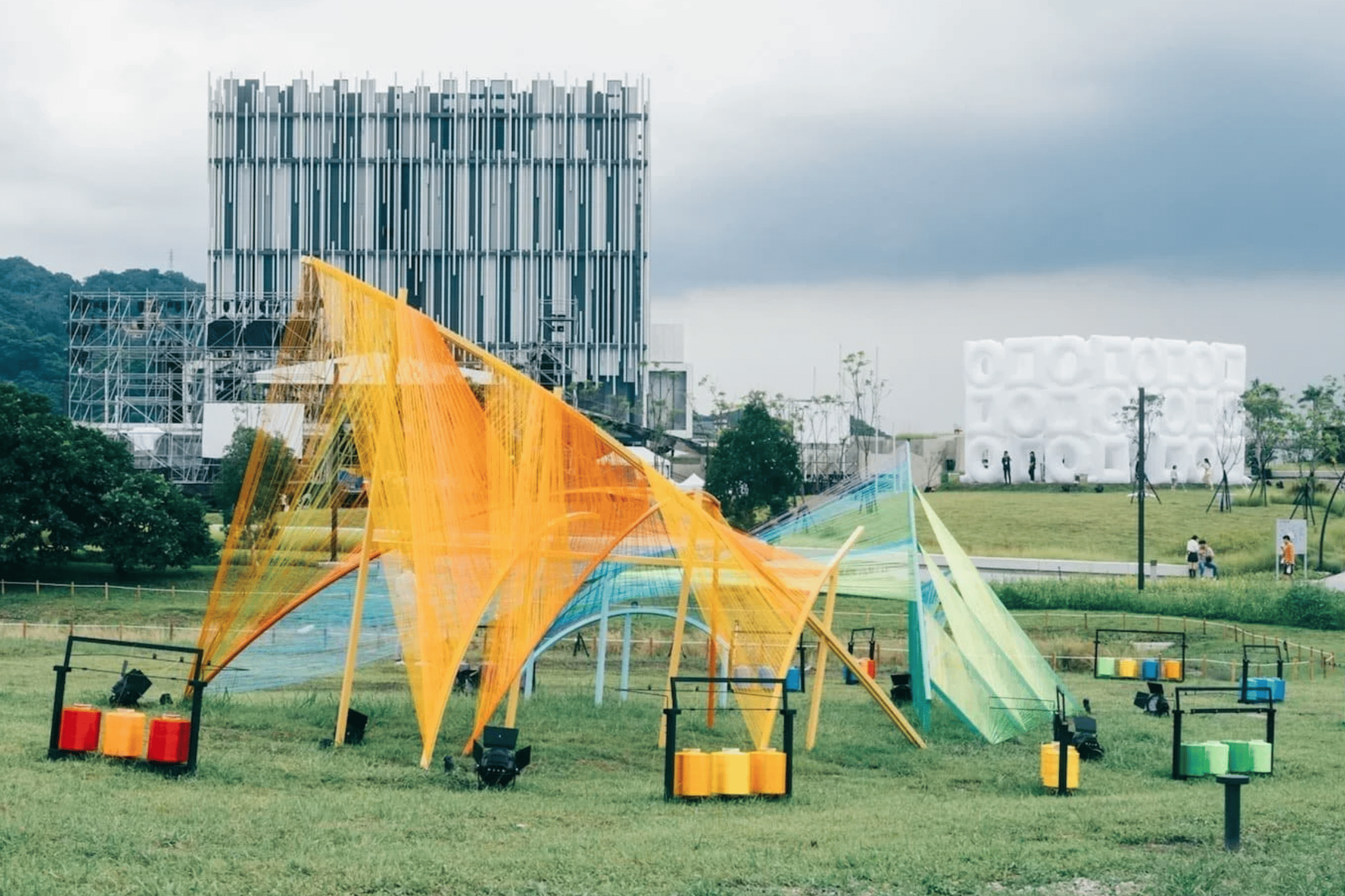
Projects existed as isolated records with limited long-term visibility.
Design Goals
01.
Increase visibility and brand credibility
02.
Create a scalable digital archive.
03.
Support client acquisition and business development.
Content Strategy & Platform Structure
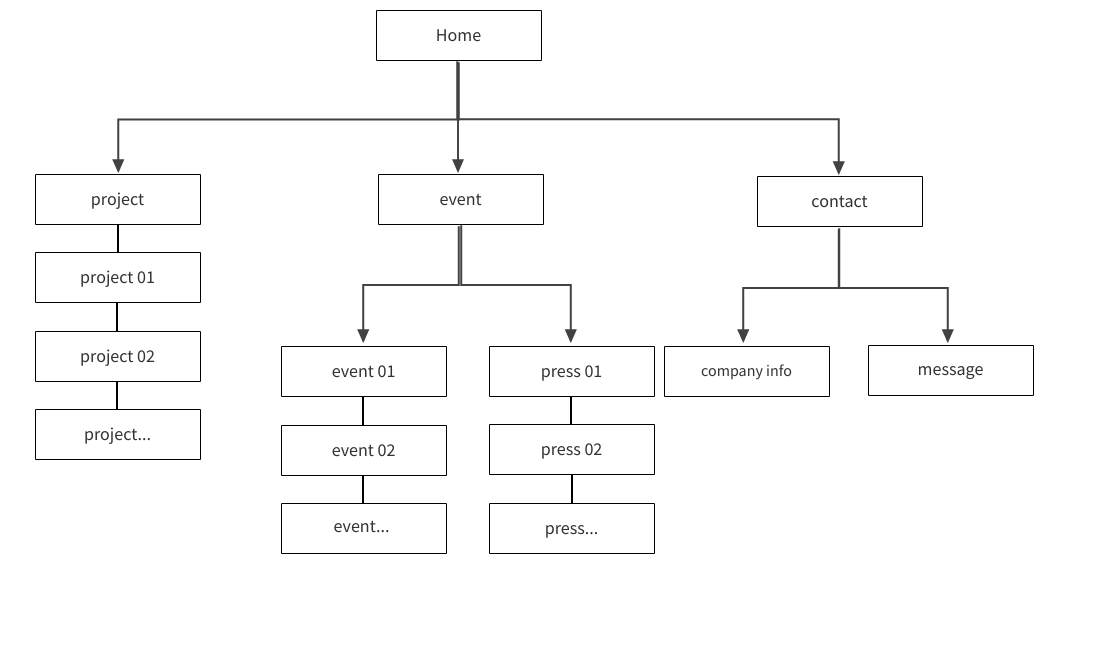
To support both storytelling and business development, the website was organized into several primary content areas:
• Projects
• Exhibitions
• Workshops & Events
• News & Media Coverage
• About Foison
Each section was designed to document creative work while creating clear pathways for potential clients, collaborators, and public-sector stakeholders to understand the studio’s capabilities.
The site architecture was intentionally kept simple to support long-term scalability and day-to-day maintenance. Rather than creating a complex navigation system, the platform focused on a lightweight structure that allowed new projects, events, and media coverage to be added continuously as the studio expanded.
This simplicity enabled a small team to manage content efficiently while maintaining a consistent and growing digital archive.
Design Solutions
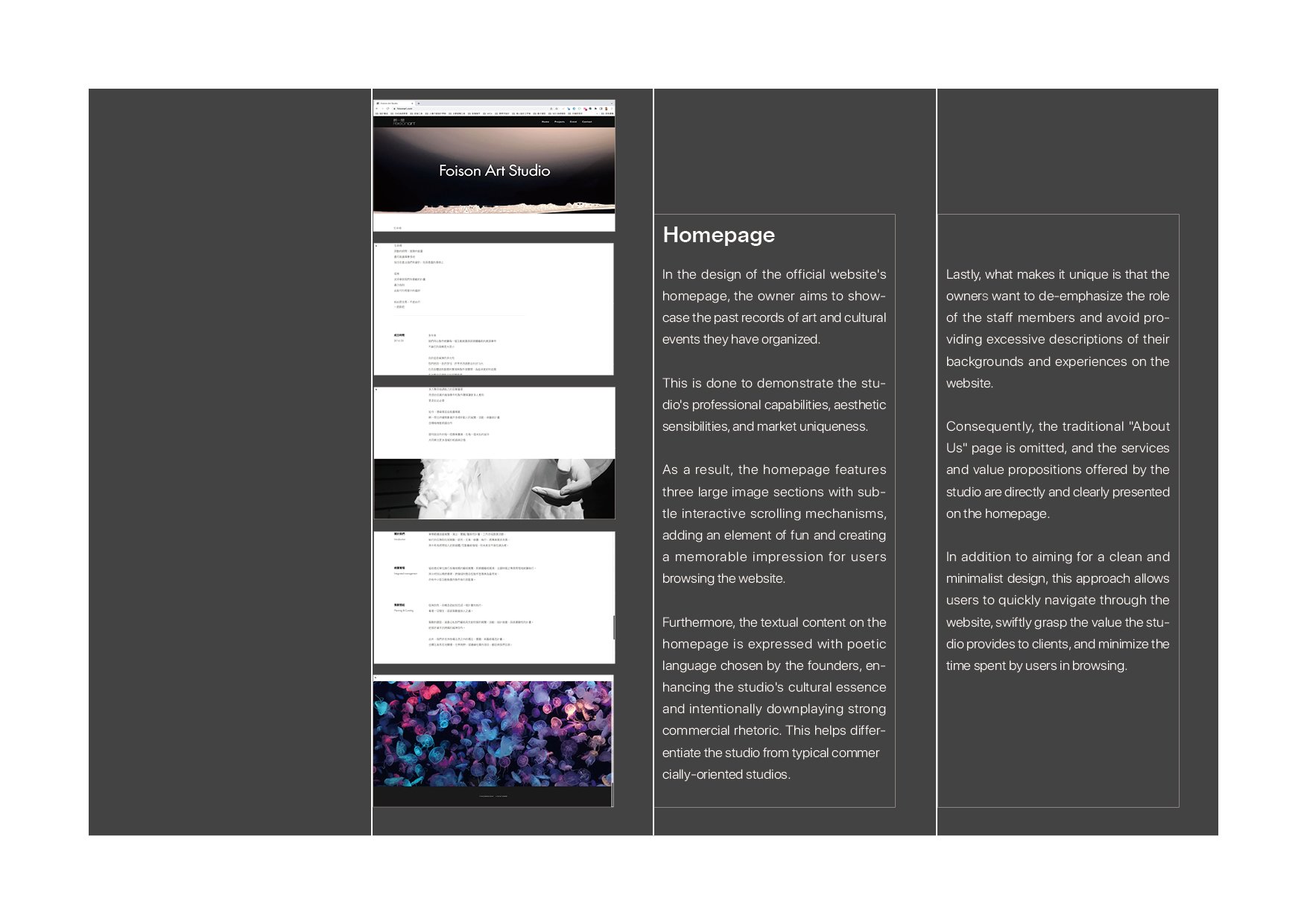
Solution 1: Build a Scalable Content Platform
The website established a centralized platform where exhibitions, workshops, performances, and cultural projects could be documented consistently.
Instead of relying solely on social media posts, Foison gained a permanent digital archive that could grow alongside the studio’s expanding body of work.
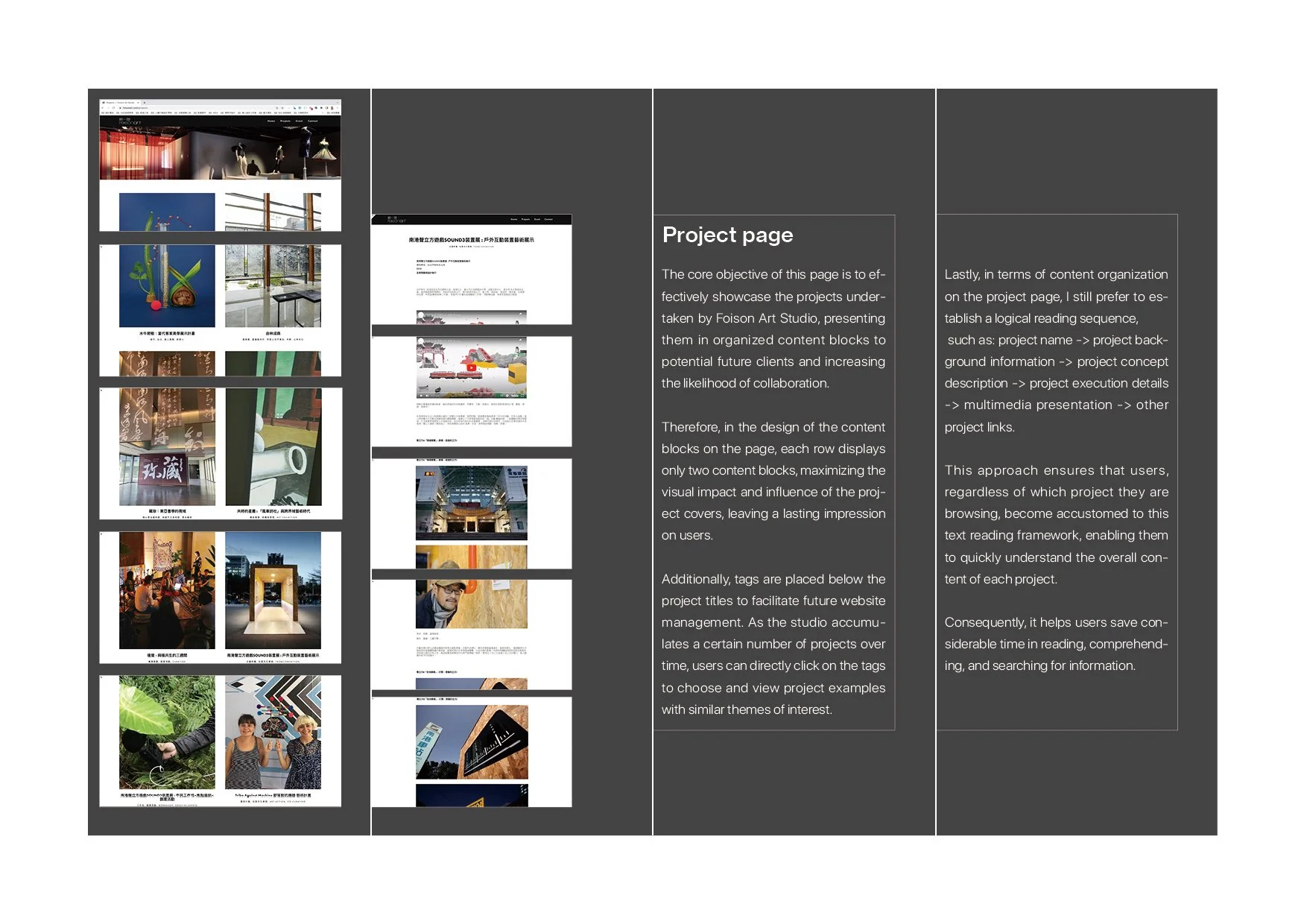
Solution 2: Design Story-Driven Project Pages
Project pages combined photography, event documentation, contextual information, and narrative descriptions to communicate both creative outcomes and project objectives.
This storytelling approach helped visitors better understand the studio’s creative process and cultural values.
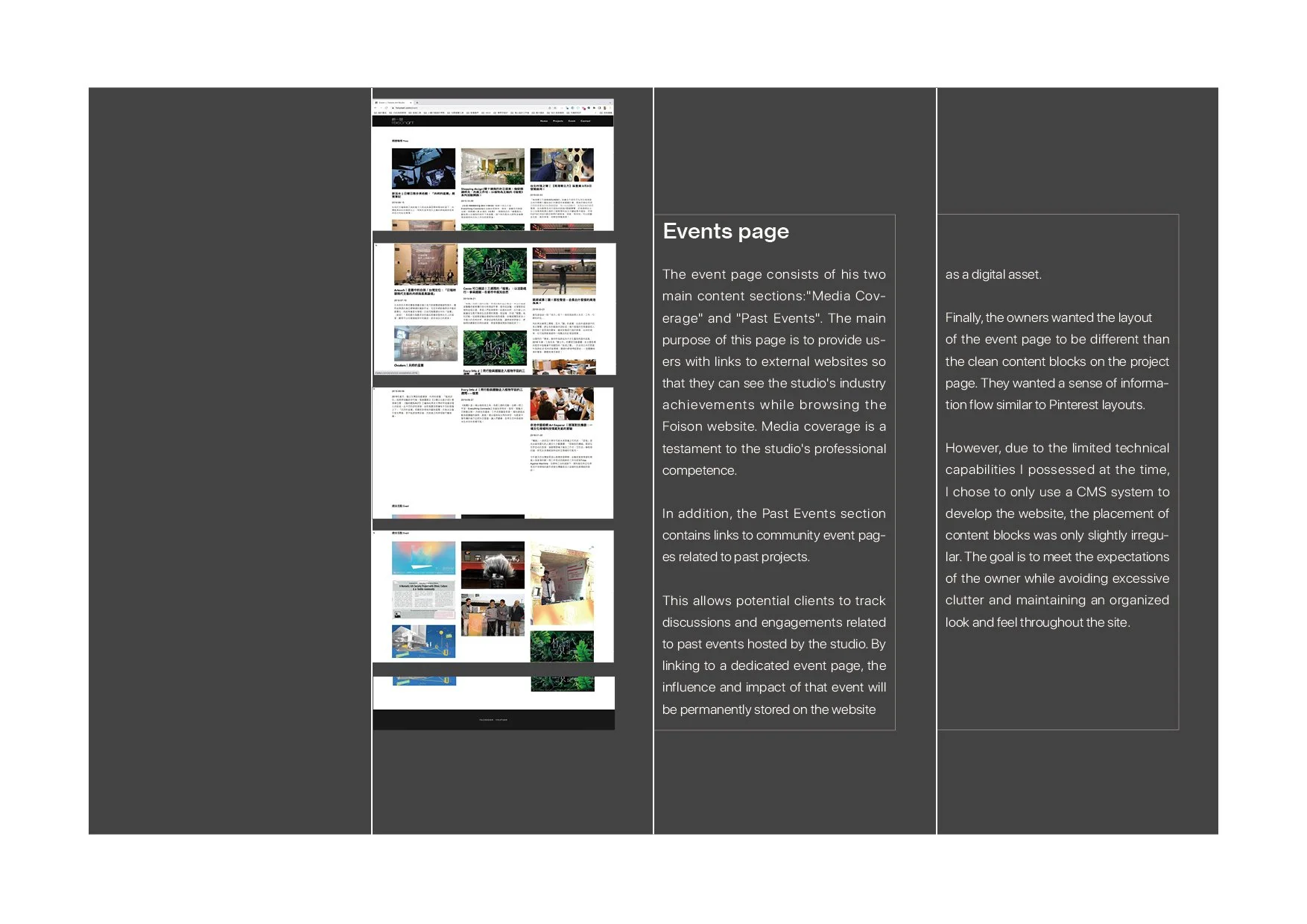
Solution 3: Create a Centralized Credibility Archive
The website consolidated media coverage, past events, and project documentation
into a centralized archive. This helped demonstrate Foison's experience, industry engagement, and cultural impact, strengthening credibility among clients, partners, and public-sector stakeholders.
Solution 4: Enable Client Conversion Pathways
The website was designed not only to present past work but also to attract future opportunities.
Clear project documentation, service information, and contact pathways helped convert visitors into potential clients and collaborators.
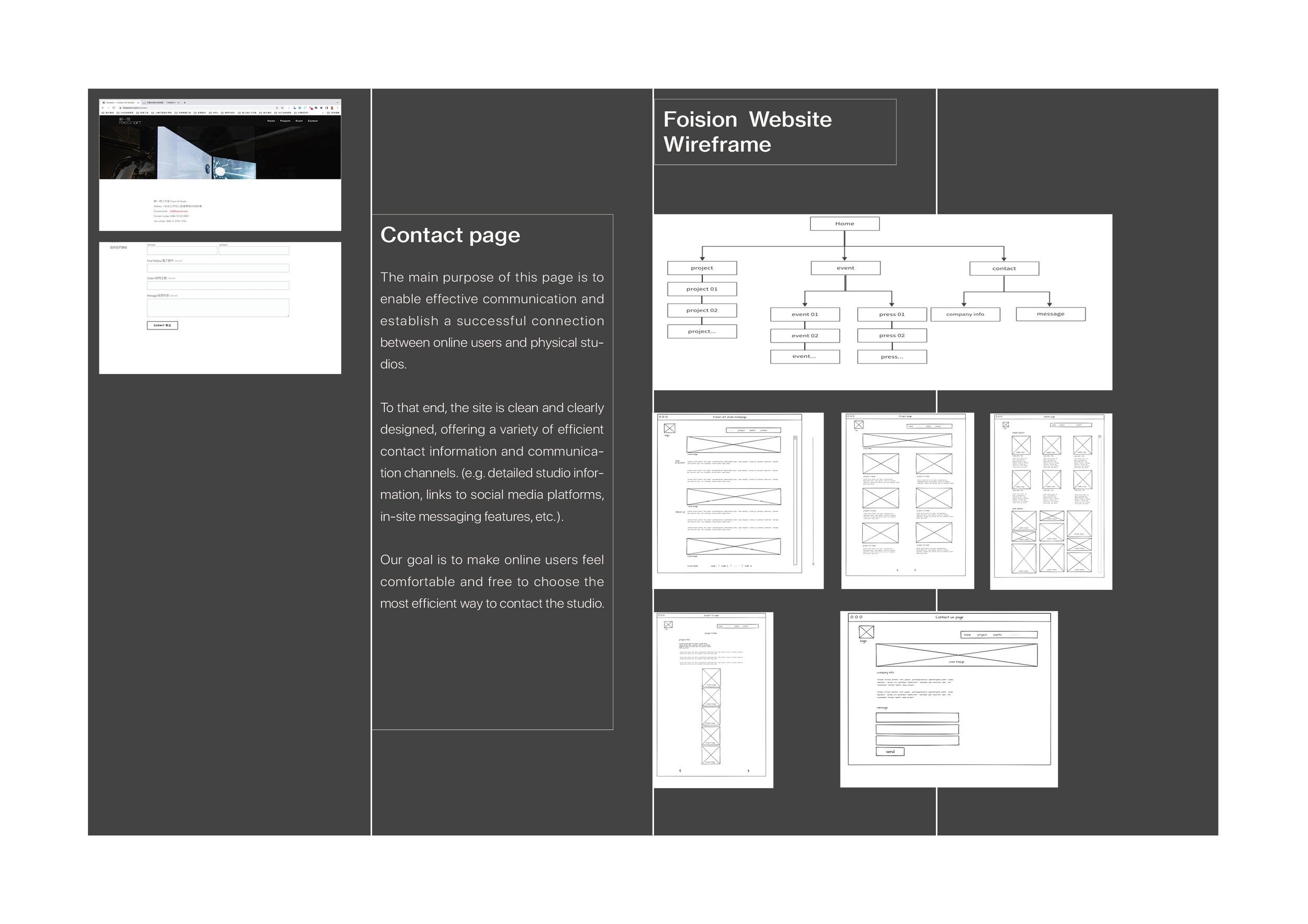
Designed clear pathways for potential clients to understand services and initiate contact.
Outcome & Impact
The website became a key platform for showcasing Foison’s creative work and communicating its value to broader audiences.
By transforming project documentation into a structured digital archive, the platform strengthened the studio’s visibility, credibility, and long-term brand presence.
Over time, the website supported client acquisition, partnership development, and public-sector proposal activities while preserving a growing collection of cultural projects and event records.
The project established a scalable foundation that continued supporting the studio’s growth throughout its expansion period.
Quantitative Outcomes (2022–2025)
34+
Creative Projects Documented
6,400+
Website Visitors
15,000+
Page Views
Business Outcomes
• Used as the studio's primary portfolio platform during its expansion period.
• Supported client inquiries and partnership opportunities through centralized project documentation.
• Frequently referenced in public-sector proposal submissions and project evaluations.
• Helped transform temporary exhibitions and events into a long-term digital archive.
Reflection & Takeaways
This project expanded my understanding of how content strategy and digital platforms can support business growth beyond traditional website design.
Rather than focusing solely on visual presentation, I learned how to structure information, curate content, and build systems that transform creative work into long-term digital assets.
Working closely with a growing cultural startup also strengthened my ability to balance storytelling, brand communication, and practical business objectives within a single digital experience.
The experience reinforced the idea that well-organized content can become a powerful driver of visibility, credibility, and sustainable growth.
This project reinforced my belief that content architecture can be as valuable as visual design when building sustainable digital products.
Platform Evolution
The website architecture proved scalable enough to support a major content expansion in 2024. As the studio's portfolio grew, I later refined the information architecture by introducing category-based project navigation while preserving the original lightweight structure.
Selected highlights from the project are presented here.
For deeper research insights, UX decisions, and design iterations, view the full case study below.