

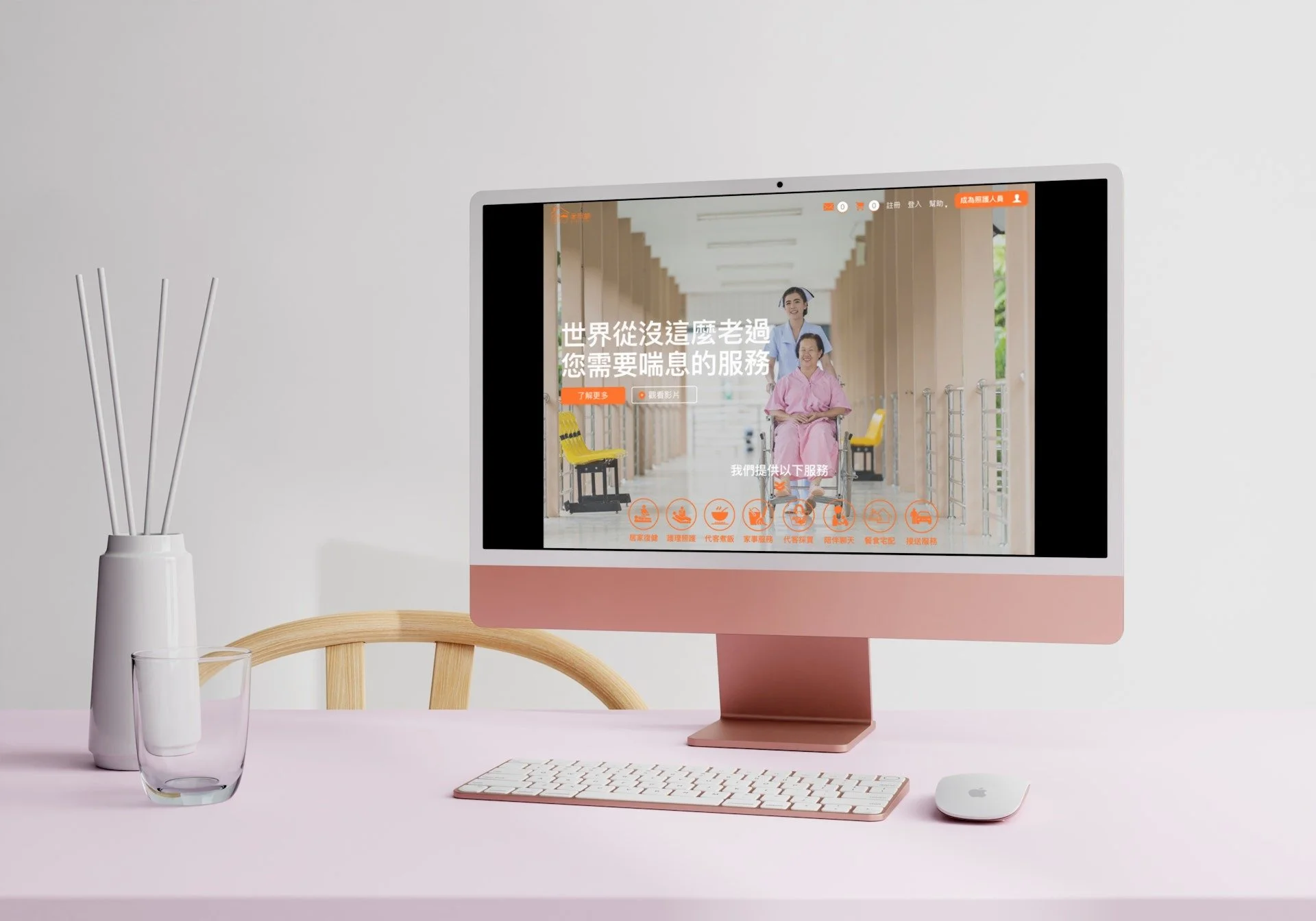
I-Caring
Long-term Care Platform Design
Collaborative Product Design · Startup · 2017
Designed a web platform that helps families discover, compare, and connect with trusted caregivers through a more transparent service discovery experience.
Role
Product Designer
Duration
3 months
Team
Founder / Product Manager,
2 Product Designers,
Frontend Engineer
Tools
Sketch,
Balsamiq,
Zeplin,
Slack
Responsibilities
Wireframing,
UI Design,
Low/High fidelity prototype,
Design Handoff
Deliverables
Homepage,
Search Flow,
Caregiver Profile,
Information Pages
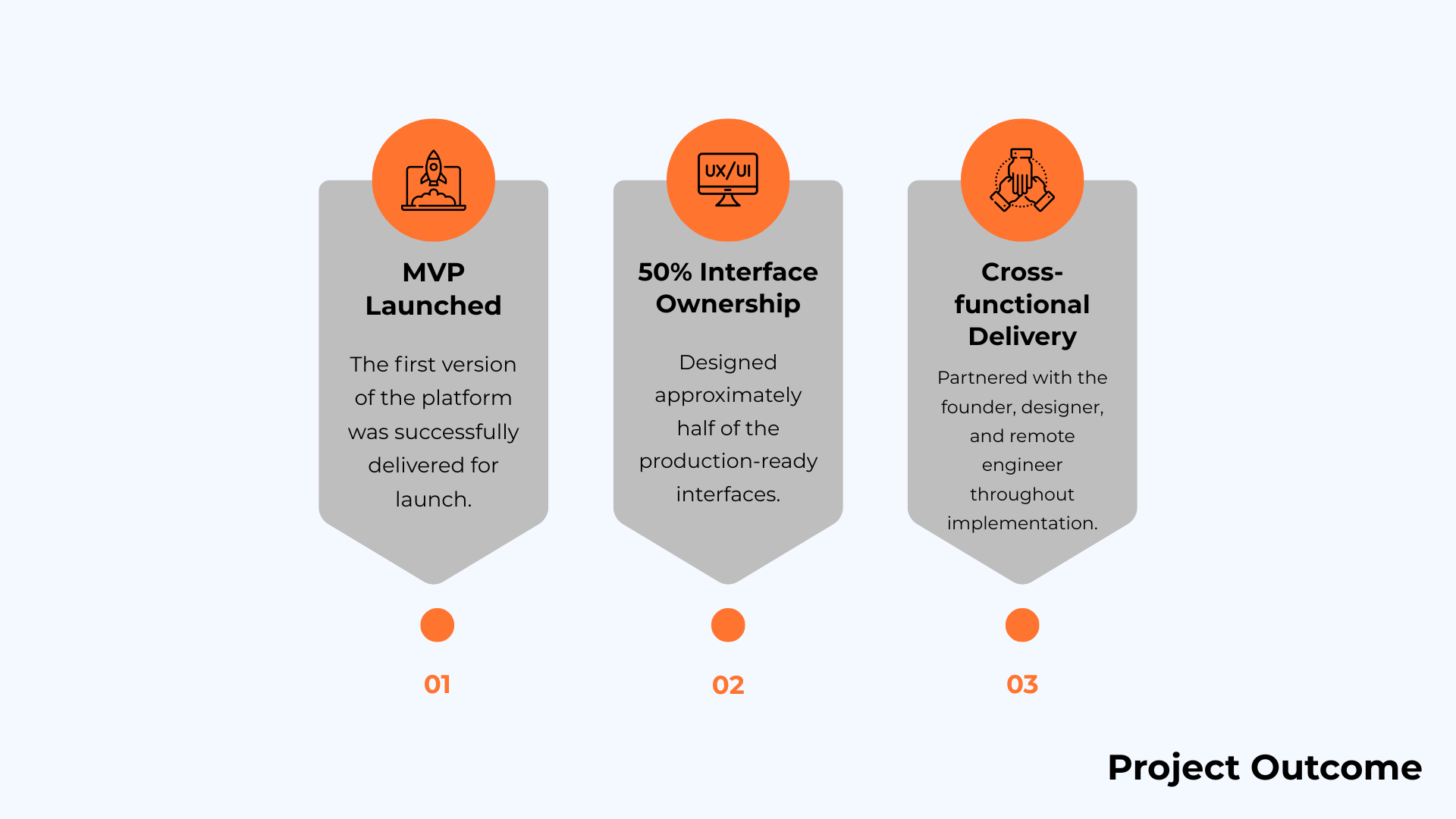
I designed approximately half of the platform's interfaces while collaborating closely with the founder and frontend engineer throughout implementation.
Background
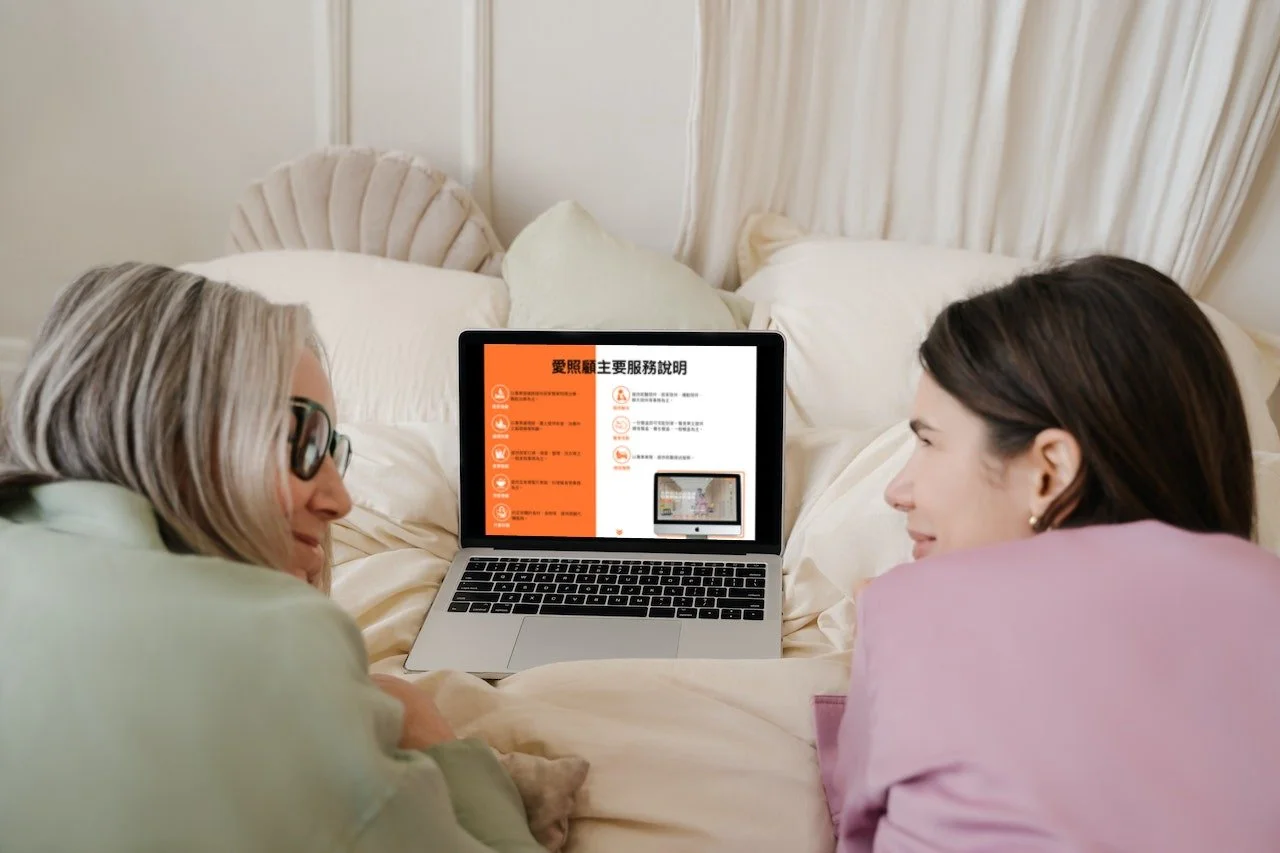
Finding a suitable caregiver is a high-stakes decision for families. Existing information was often fragmented, difficult to compare, and lacked the transparency needed to build confidence.
I-Caring was designed to make caregiver discovery more approachable by organizing service information, improving profile transparency, and guiding users through the entire decision-making journey.
Design Goals
Goal 01
Simplify caregiver discovery
Goal 02
Increase trust and transparency
Goal 03
Enable efficient collaboration across product and engineering teams.
Team Collaboration
Founder
Designer (Me)
Designer
Frontend Engineer
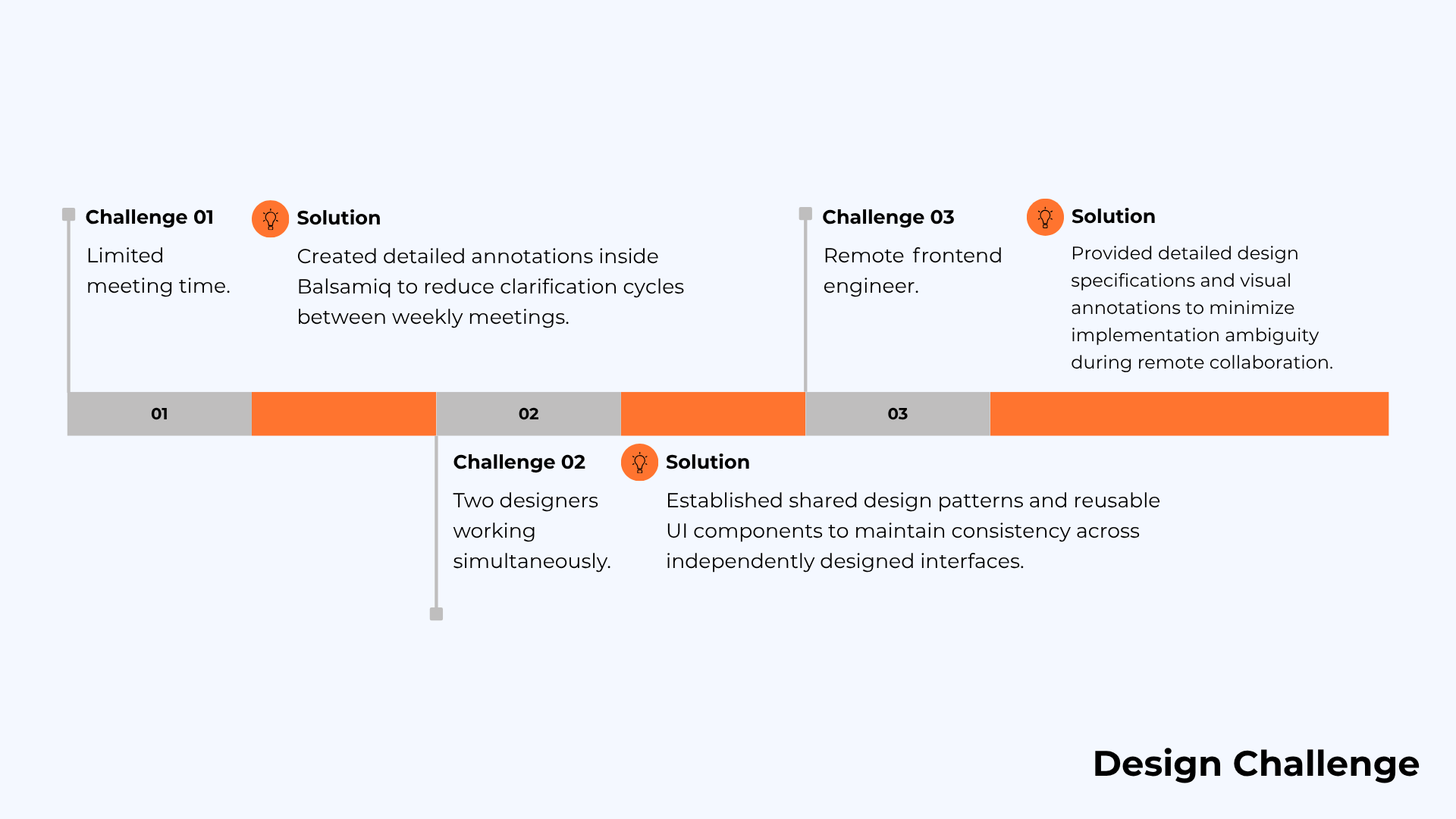
Weekly product discussions and asynchronous communication kept design and development aligned despite the team's remote and part-time workflow.
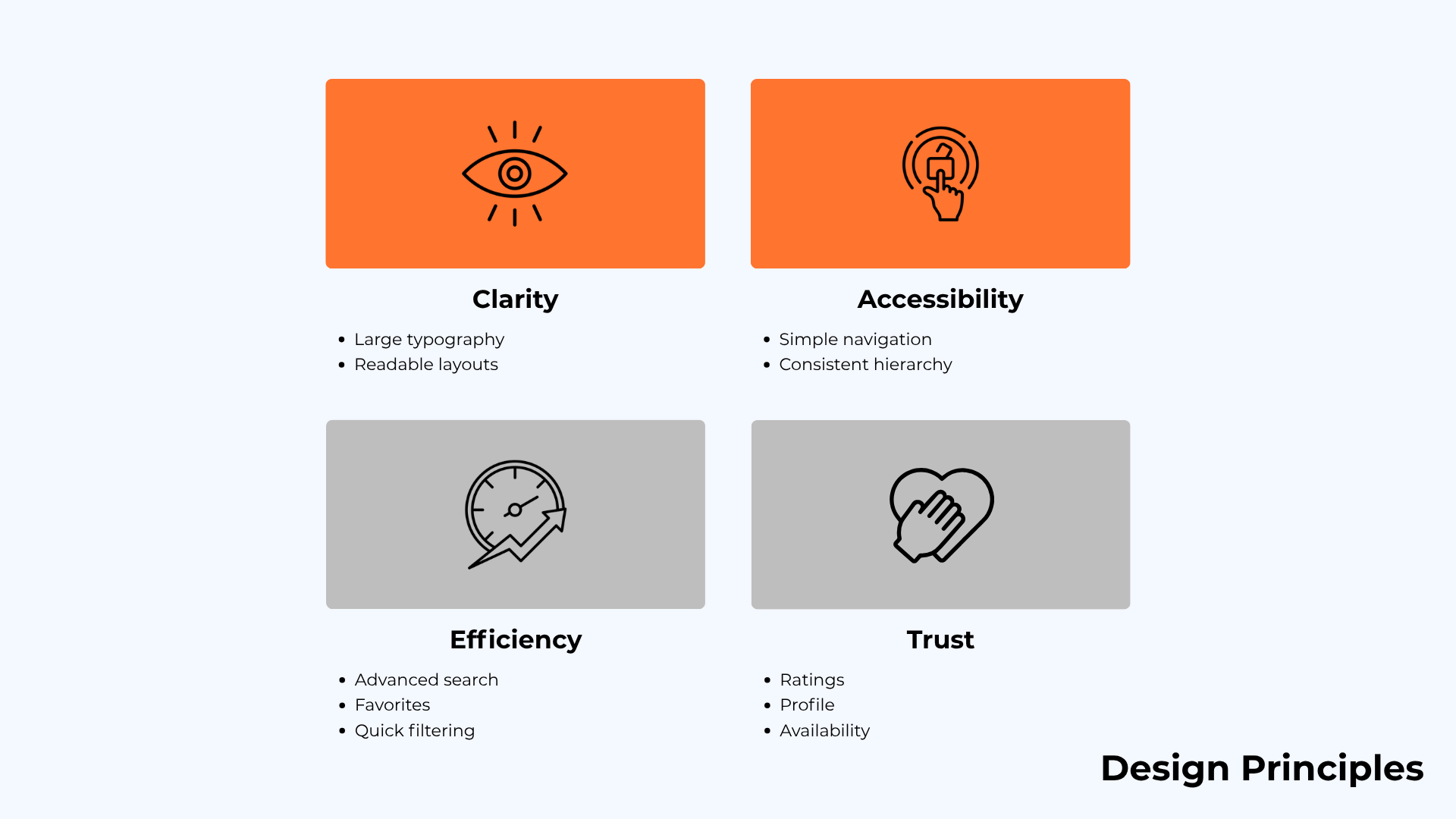
Design Principles
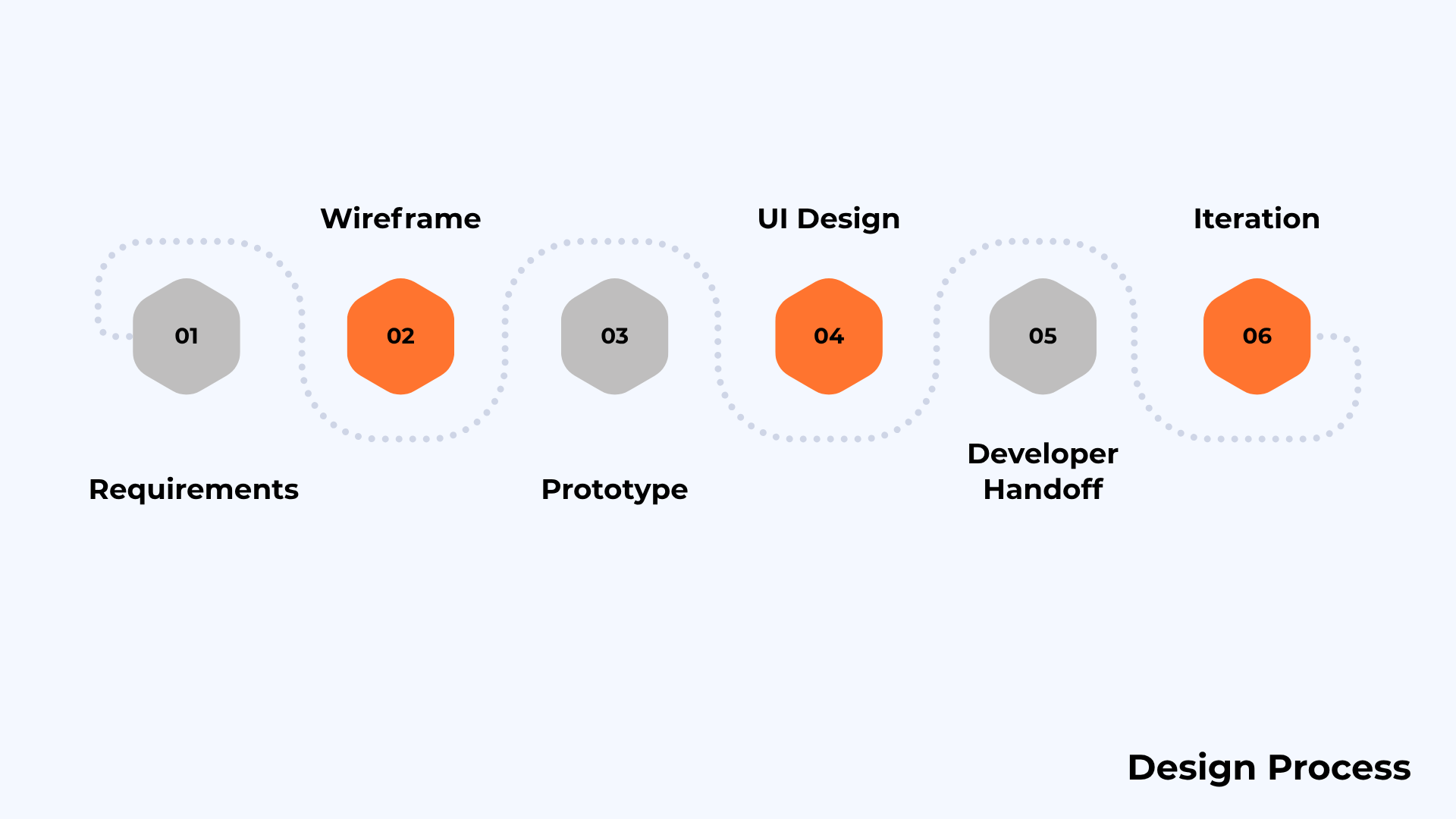
Design Process
Key Designs
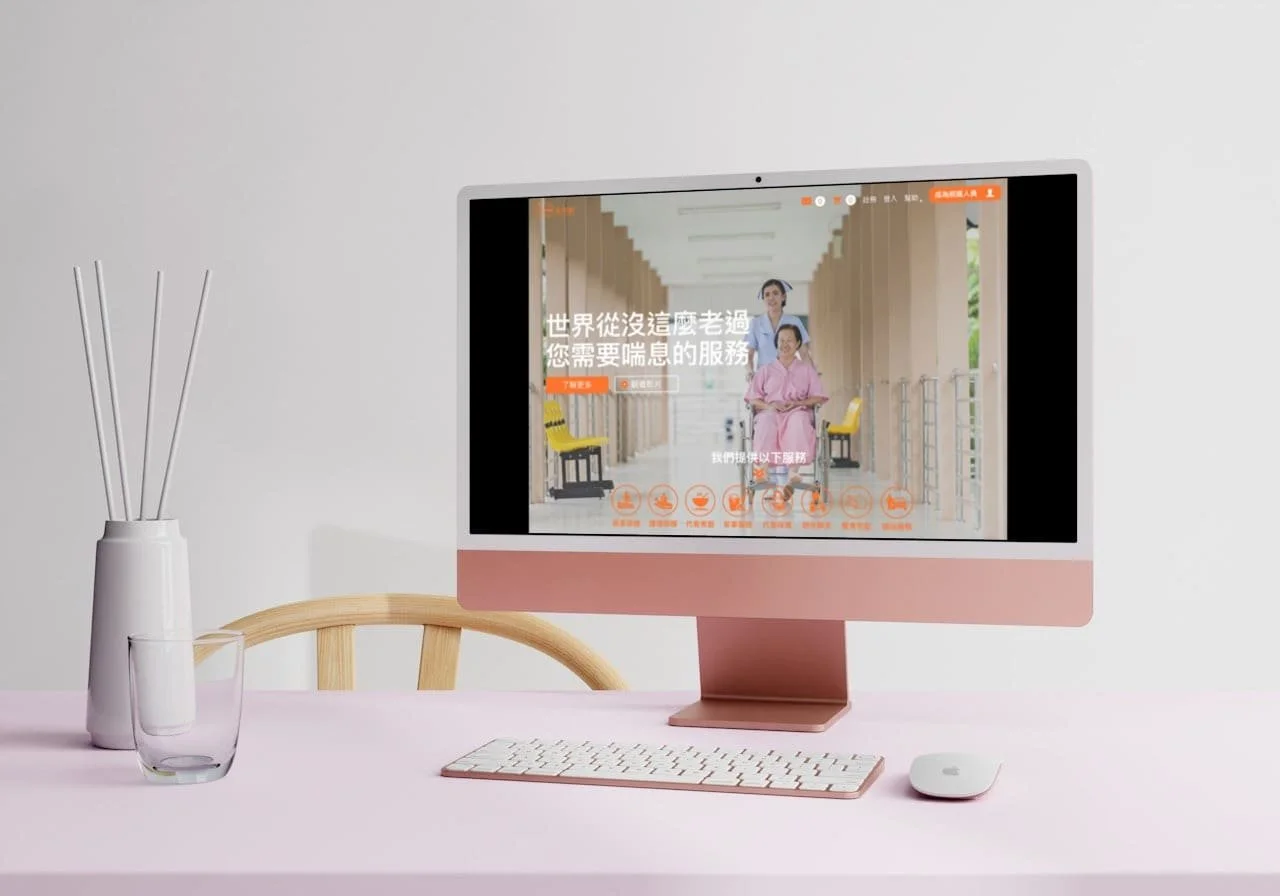
Design 01: Building Trust from the Homepage
Objective
Help families quickly understand the platform's value and available care services.
Design Decisions
• Display core care services immediately on the homepage
• Use warm colors and approachable illustrations to create a caring atmosphere
• Simplify navigation for older family members and first-time visitors
Why It Matters
The homepage introduces the platform's service scope while establishing trust before users begin searching for caregivers.
Design 02: Simplifying Caregiver Discovery
Objective
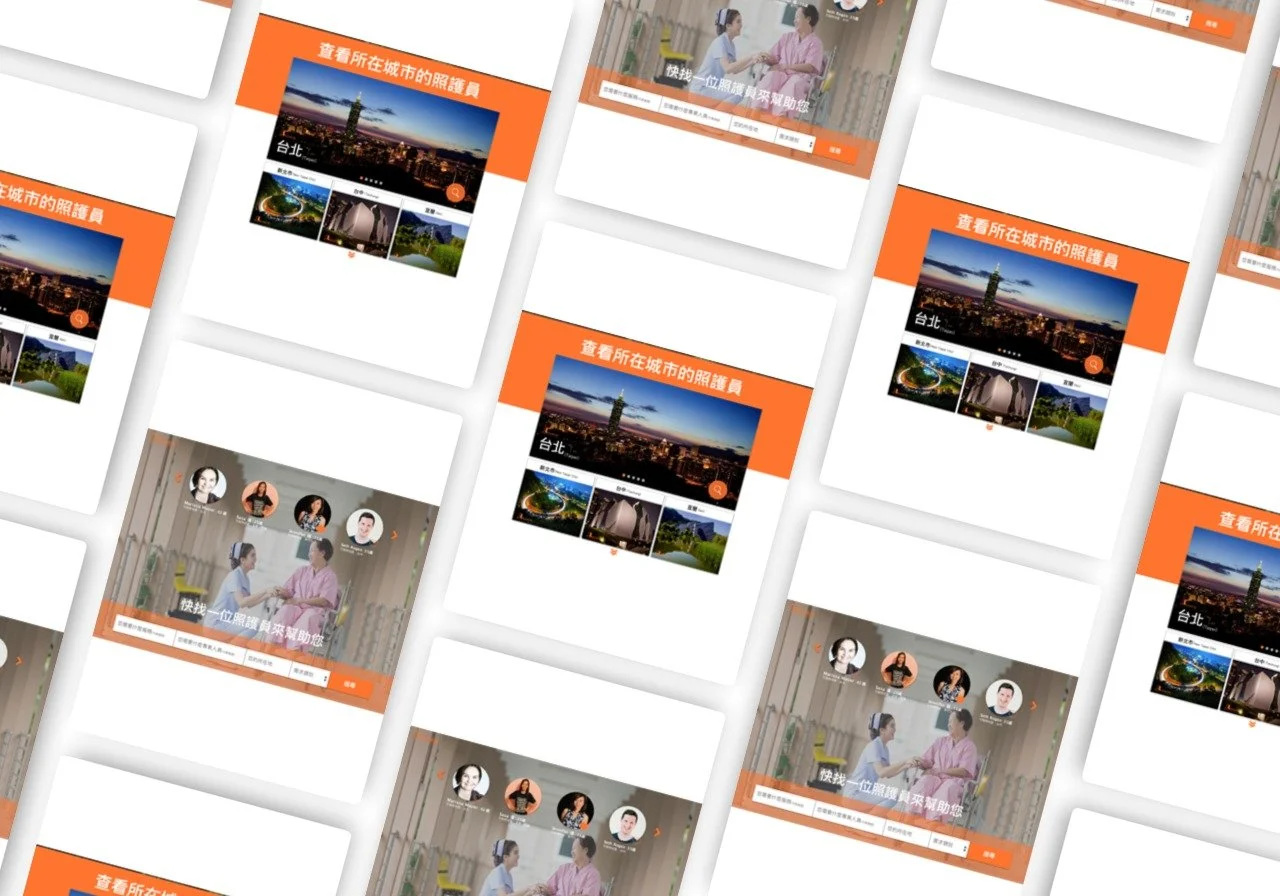
Reduce the effort required to find suitable caregivers.
Design Decisions
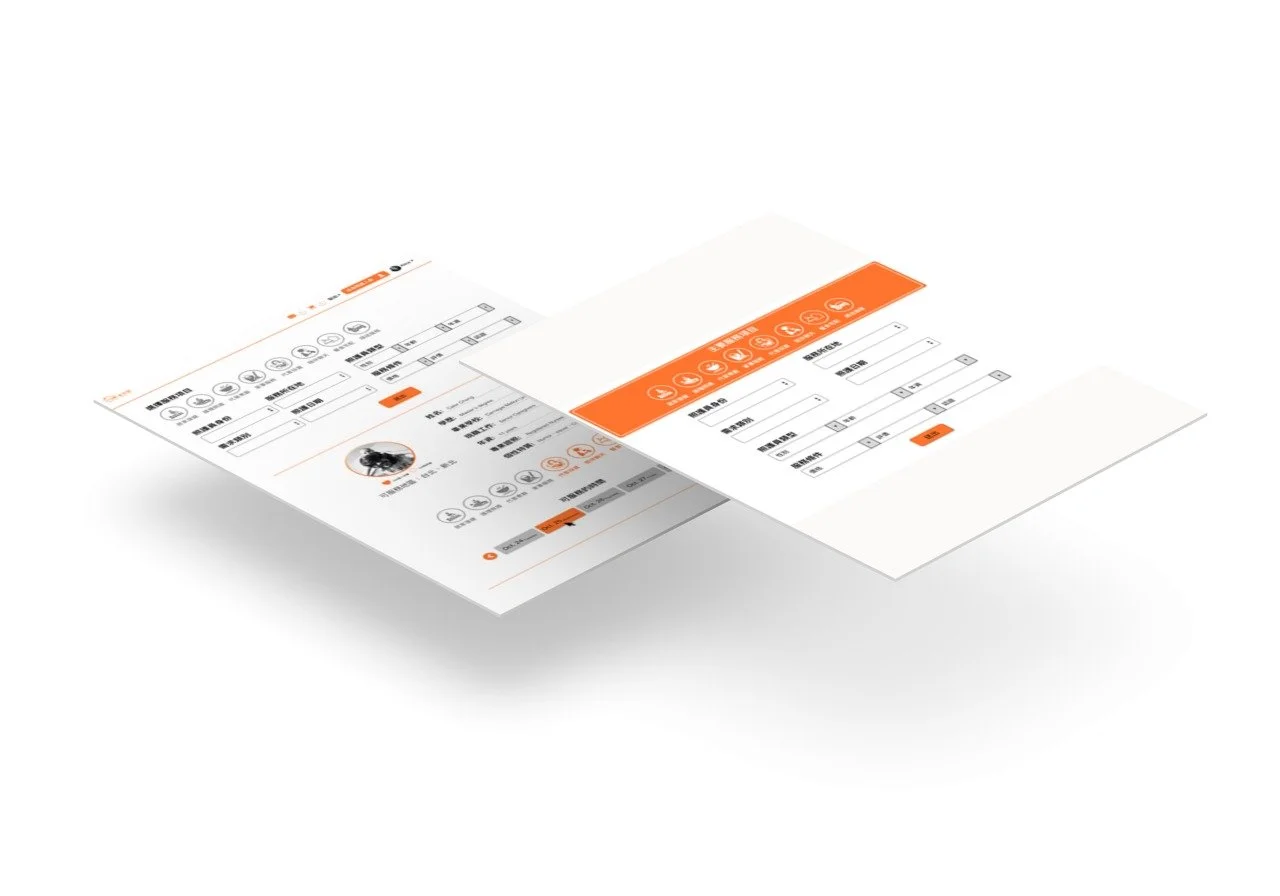
• Introduced advanced filters for service type and location
• Added a Favorite feature so users could bookmark caregivers without leaving search results
• Organized caregivers by city to support local service discovery
Why It Matters
Families can compare and narrow options more efficiently without repeatedly navigating between pages.
Design 03: Designing Transparent Caregiver Profiles
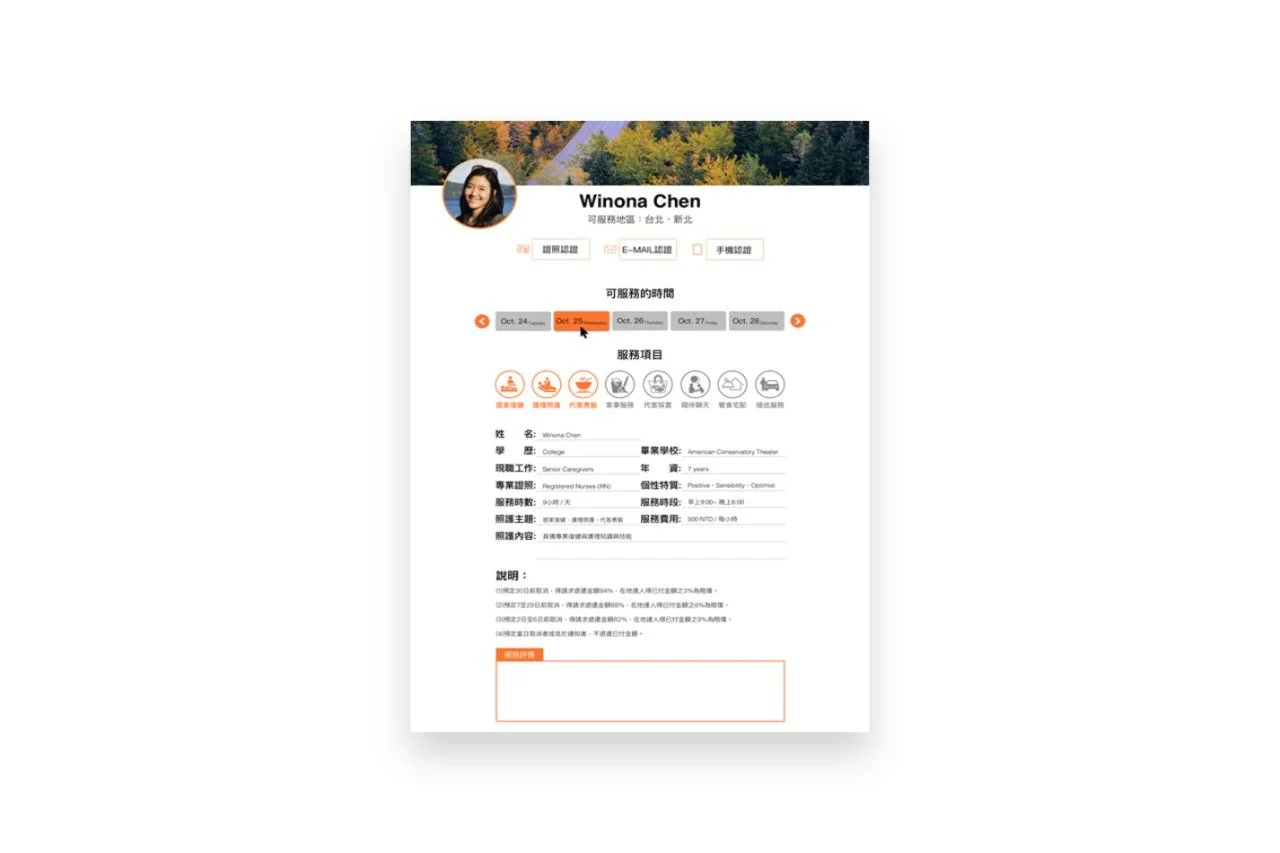
Objective
Increase confidence before contacting a caregiver.
Design Decisions
• Display caregiver ratings and service areas clearly
• Present availability and service hours in a structured layout
• Allow caregivers to personalize profile covers to build credibility
Why It Matters
Transparent profiles help users evaluate caregivers quickly and reduce uncertainty during decision-making.
Design 04: Supporting the Complete Service Journey
Objective
Support users throughout the entire decision-making process.
Design Decisions
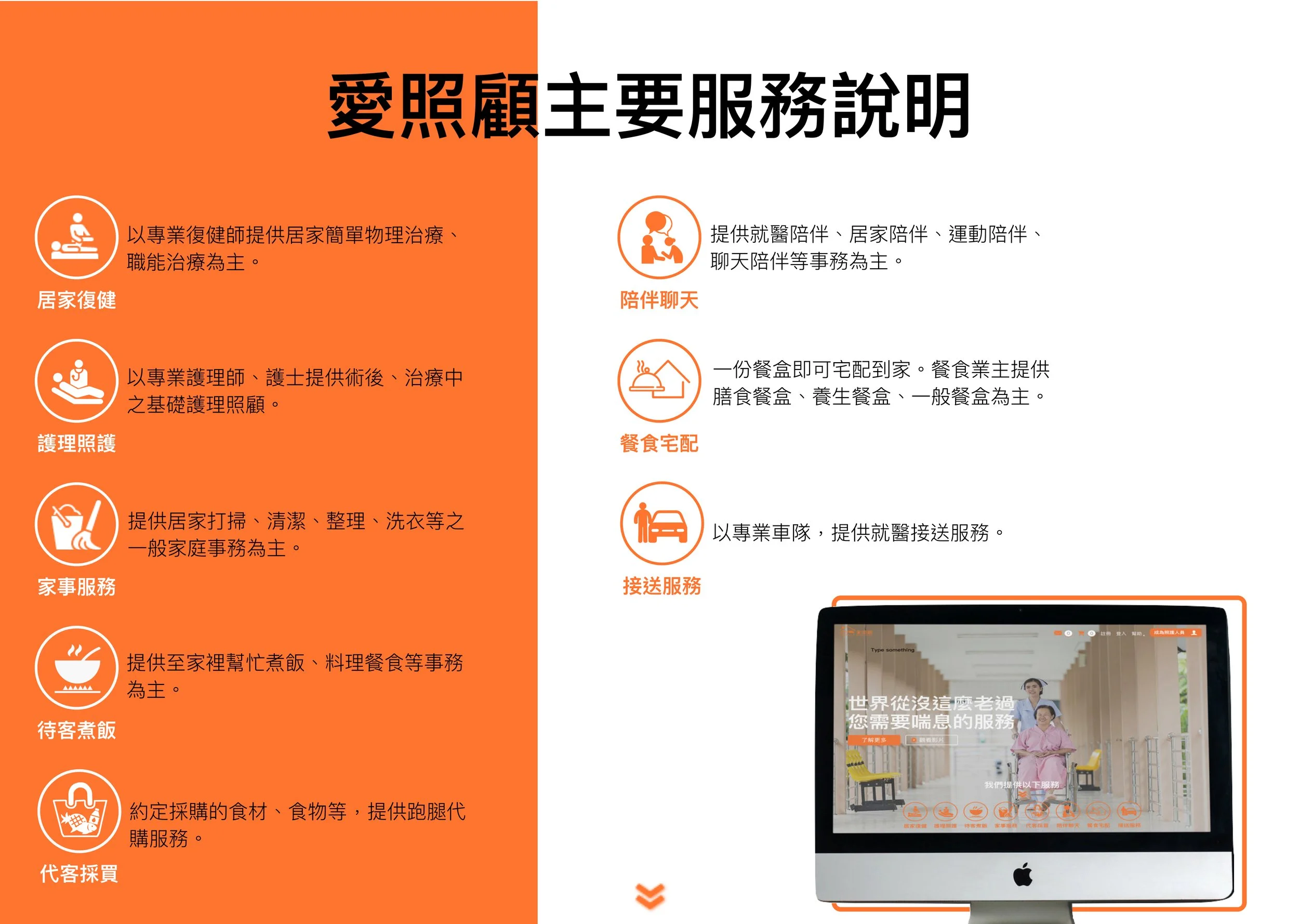
• Explained service procedures using large, readable typography
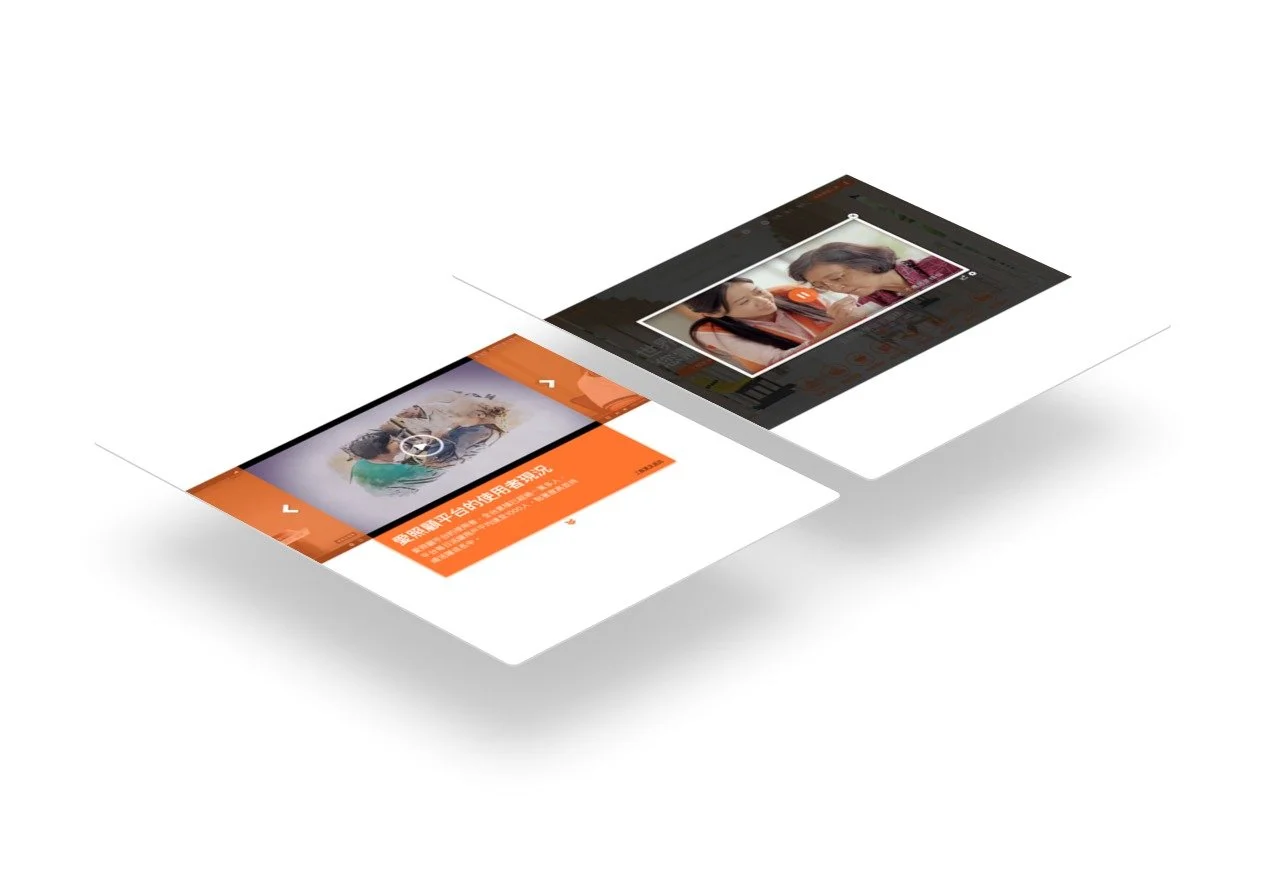
• Used testimonial videos to strengthen credibility
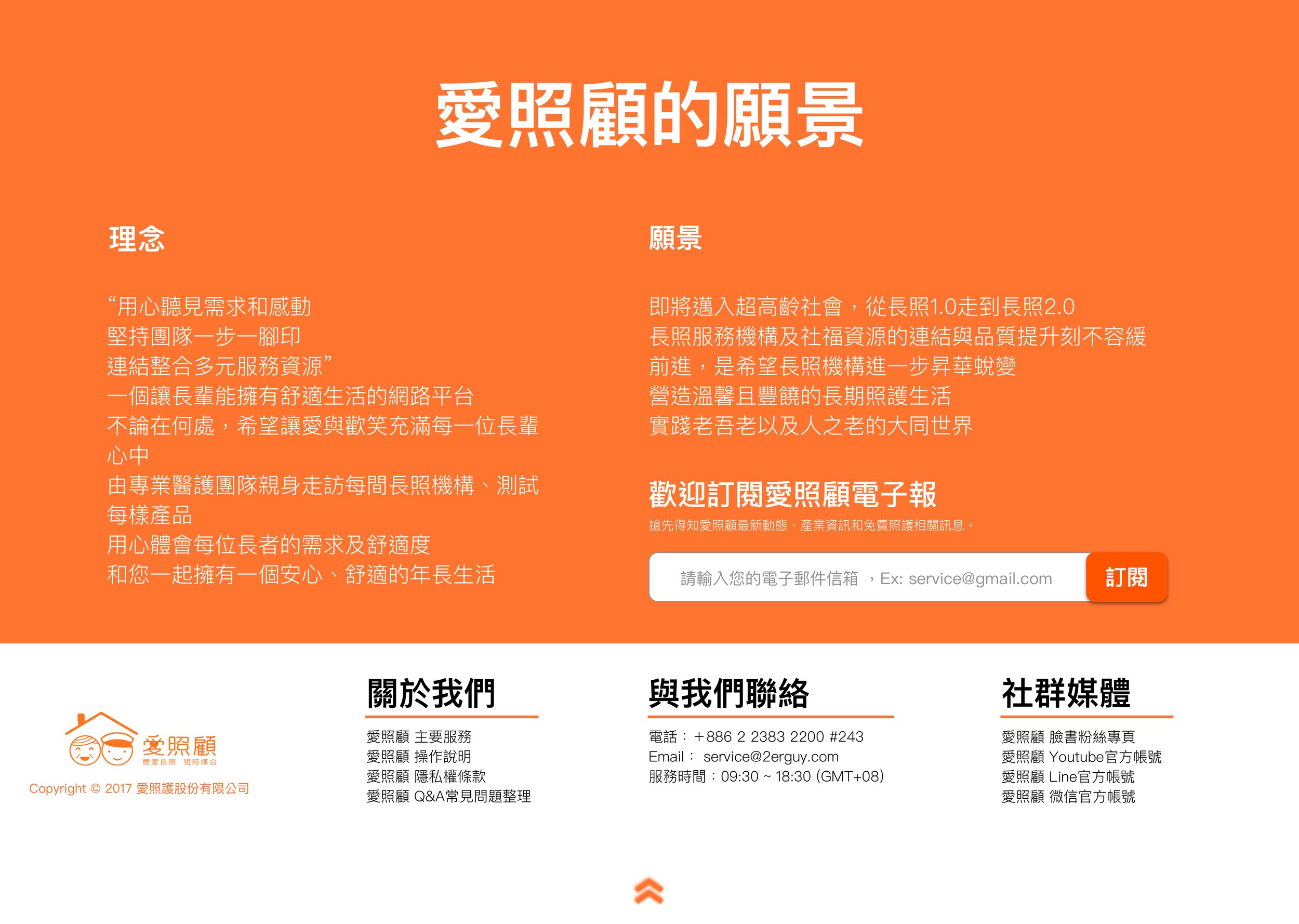
• Added newsletter subscription for future engagement
• Organized footer navigation for quick access to important information
Why It Matters
These supporting pages reduce uncertainty, answer common questions, and encourage continued engagement after users explore caregiver options.
Challenges
Project Outcome
Reflection
This project gave me firsthand experience collaborating across product, design, and engineering in an early-stage startup.
Beyond creating interfaces, I learned how to communicate design decisions, balance product requirements with engineering constraints, and maintain design consistency across a collaborative workflow.
Looking back, I would further validate assumptions with usability testing and iterate based on real user feedback after launch.
Selected highlights from the project are presented here.
For deeper research insights, UX decisions, and design iterations, view the full case study below.